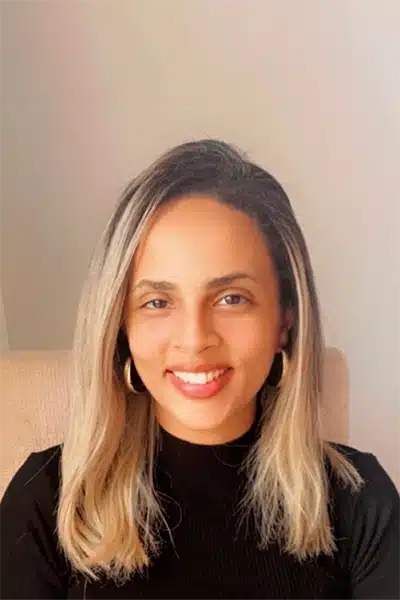


I just recently published my first book and it was an incredible journey! Completing a manuscript is a tremendous effort on its own, and then comes the feat of getting it published. Here, you’re asked to be your book’s biggest advocate. Finding the right publisher takes effort, patience, and courage. Effort to search, research, and dig deep into the types of publishers that are out there, whether they align with your vision, or whether you’d rather self-publish. Patience to endure the rejections, or unanswered emails that you will inevitably encounter when submitting your work to various publishing houses or agents. And courage to actually put your work out into the world, where it can receive criticism, disinterest, and/ or rejection – where it takes on a life of its own!
Here are five things to keep in mind when thinking about writing and publishing.
1. WRITE WRITE WRITE
Before you think about publishing, focus on writing the best story you can. That means planning your story (even just loosely), writing a full draft, and then—this is important—revising it. Most authors go through several rounds of editing before their book is ready. Write as much as you can. Do not be discouraged if you have a half-formed idea; a lot of the time ideas evolve and change the more you write. That is part of the process. Be open to change your idea, get a draft down, throw it out and start new. Just write. The more you practice writing, the better you will get, and the clearer your vision will get.
Get the words down. However sloppy they seem. The polish comes later.
2. READ READ READ
Read. A lot. Read different genres and books. Pay attention to what you enjoy in other books – dialogue, character development, pacing—try to understand why you like it. Reading different styles helps you hone in and develop your own style and writing voice; a significant aspect that publishers look for.

3. Hone Your Writing Skills
Try a writing workshop, share your work with fellow writers. Publishing requires many rounds of editing. You want to get yourself used to receiving revisions, suggestions, critiques – without taking it to heart.
4. Build Your Author Presence Early – Share Your Story with the World
One thing I did not anticipate when publishing my book was the importance of an online presence. As a writer, I always felt it was much easier for me to express myself in writing rather than speaking – and I know a lot of other writers that feel the same. Ironically enough, though, sharing your work requires A LOT of speaking and creating a new comfort zone. The good thing is you don’t need a huge budget or team to promote your book!
Try:
- Posting your writing journey on social media (Instagram, YouTube, or TikTok can be great platforms)
- Creating a simple website or blog
- Asking your school or local library to feature your work
- Hosting a small book launch with friends and family

5. Know Your Publishing Options
Publishing a book involves many things like: manuscript editing and proofreading, formatting and design, book cover design, promotion, printing, production, and distribution.
There are a few ways to publish a book:
- Traditional Publishing – This involves submitting your manuscript to agents or publishers. It takes patience but comes with professional support. The challenge with this method is that it is a highly competitive market with most traditional publishing houses only taking on authors with an established presence and market for selling the book. Royalties with this method are also less than other methods.
- Self-Publishing – Platforms like Amazon Kindle Direct Publishing (KDP) let you publish your book independently. It’s faster and gives you full control (as well higher royalties)—but you’ll need to handle editing, design, and promotion. Some authors end up spending tens of thousands of dollars on these production costs. So, while this option does promise higher royalties it comes with a financial risk as well greater responsibility. As a self-publisher you take up all the costs with no guarantee of sales, or quality of editing, design, and production.
- Hybrid Publishing – This is a distinct business model in which the publisher and the author split duties. In exchange for a one-time payment, a hybrid publisher will handle the editing, design, production, promotion, and distribution of the book. A good hybrid publisher will usually offer a higher royalty percentage to their author than a traditional publisher, averaging 50%. Hybrid publishers are similar to traditional publishers in many ways, including but not limited to: they have submission vetting standards and criteria for acceptance, adhere to certain production, design, and editorial quality, and offer a variety of publishing rights.
All publishing paths are valid. Whichever one is right for you depends on your goals. Researching different publishing houses, and submitting your work is a big step. Remember, it is more important to publish with the right people (or alone), than to just publish. You want to ensure your work reflects your values and goals. Take your time in this stage, and do not be discouraged if you do not hear back right away. Believe in your work enough to keep trying! The right one will find you!